
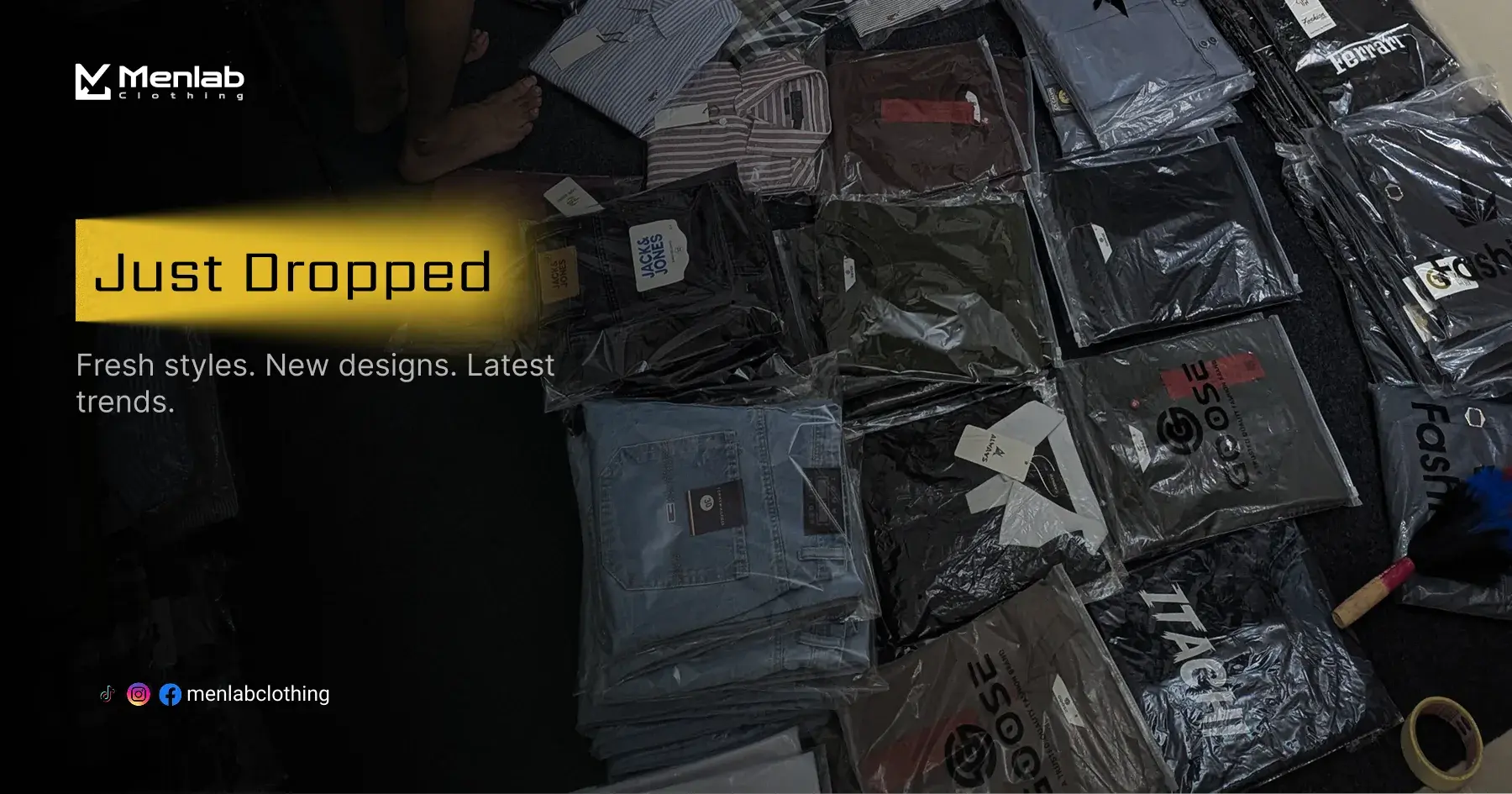
How big fashion e-commerce is in Bangladesh
ECDB estimates fashion e-commerce revenue at about US$1.14 billion in 2025, growing 15 to 20% a year, with apparel making up 54% of that and online accounting for 10 to 15% of total fashion retail [1]. Statista forecasts the number of fashion e-commerce users rising to about 12.96 million by 2029, up more than half on 2024 [2]. The country is also the world's second-largest garment exporter, so the fabric, printing and stitching that most brands elsewhere import is a short drive away in Dhaka.
Who sells fashion online
- Marketplaces. Daraz carries the widest range; quality depends entirely on the seller behind each listing.
- Facebook and Instagram pages. e-CAB counted over 5 lakh business pages, a large share of them selling clothing, with about 60,000 selling regularly [3]. Most are resellers of imported or wholesale stock.
- Independent brands with their own product. A smaller group that designs or sources its own garments, shoots its own photos and sells under its own name on a website. Menlab is one.
- Large local retailers online. Established high-street names with e-commerce arms, strongest in traditional and formal wear.
- Social shopping apps. Hoppi, CartUp and similar, curating younger brands around video.
What sells: the shift to fit-led menswear
Five years ago men's fashion online meant a generic round-neck tee. Today the searches and the orders are fit-specific: oversized, drop-shoulder, boxy, semi-baggy. Gen-Z buyers know the vocabulary and shop by it. Menlab's collection is built around that shift: oversized and drop-shoulder t-shirts, graphic and acid-wash tees, polos, casual and old-money shirts, semi-baggy jeans and trousers. Our blog tracks the trend in streetwear fashion trends in Bangladesh.

How fashion shoppers behave online
- They discover on social and verify on the site. A reel or a post brings them; the size chart, the delivery charge and the return policy close them.
- They pay at the door. Cash on delivery is the default for a first order from any brand.
- They screenshot size charts. And they message on WhatsApp to confirm before ordering.
- They are price-aware, not price-only. A 2024 survey found 34% of online shoppers had experienced quality problems [4]; the ones who have been burned will pay a little more for a visible reason.
- They buy in small, frequent baskets. A tee, then another. Combos and a free-shipping threshold turn one into two.
Sizing and photography decide the sale
Ask any clothing seller in Bangladesh what comes back and the answer is size, not quality. The fix is not a generic S/M/L chart but a measured chart per product, with chest and length, and a clear statement of the fit: regular sits close, oversized sits loose on purpose. Menlab adds an assistant that suggests a size from height and weight, which cut the "which size?" messages more than any chart alone.
Photos decide the other half. Supplier catalogue images produce "is it the same as the picture?" messages and refused parcels. Photos of the real stock, in natural light, at the studio, produce orders that get accepted at the door.
The operating model of an online clothing brand
- 01
Source or make
Pick fabric and cut, or buy finished stock, and check every piece by hand: weight, stitching, colourfastness.
- 02
Shoot
Photograph the real stock consistently. This is the product page.
- 03
List with real information
Per-product size chart, fabric, fit, delivery charge and return policy on the page.
- 04
Sell where people are
Facebook and Instagram for discovery, the website for the order, marketplaces for reach.
- 05
Confirm and ship
Confirm on WhatsApp, hand to the courier, send the tracking code.
- 06
Handle exchanges honestly
A written window, courier pickup, and a clear rule for custom prints.
Print-on-demand: fashion e-commerce's local advantage
Because printing capacity is local, single-piece custom printing is practical in Bangladesh in a way it is not in most markets. Menlab runs a browser-based print studio where a customer designs on the real product and orders a single piece, paying the delivery charge by bKash and the rest at the door. It is a small category today and a fast-growing one. See who makes custom printed t-shirts in Bangladesh.
What we learned selling apparel online
- The delivery charge question comes before the fabric question. Answer it on the page.
- Exchanges cost less than the trust they buy. A 7-day window is used rarely and cited often.
- Oversized fits need a sentence of explanation or they come back as "too big".
- A named founder and a studio address answer "is this real?" better than any badge.
- Marketplaces bring volume and keep the customer. The website brings less volume and every phone number. Run both, build on one.

Frequently asked questions
How big is fashion e-commerce in Bangladesh?
About US$1.14 billion in revenue in 2025 on ECDB's estimate, growing 15 to 20% a year, with apparel over half of that. Online is still only 10 to 15% of fashion retail.
What is the most common problem with buying clothes online?
Size. Most exchanges are fit, not quality. Read the product's own size chart, know whether the fit is regular or oversized, and use a brand that offers a size exchange.
Are online clothing brands in Bangladesh trustworthy?
Some are excellent and many are anonymous resellers. Real photos of real stock, a physical address, named founders, cash on delivery and a written return policy separate the two. Menlab meets all of those.
Can I start a clothing brand online in Bangladesh?
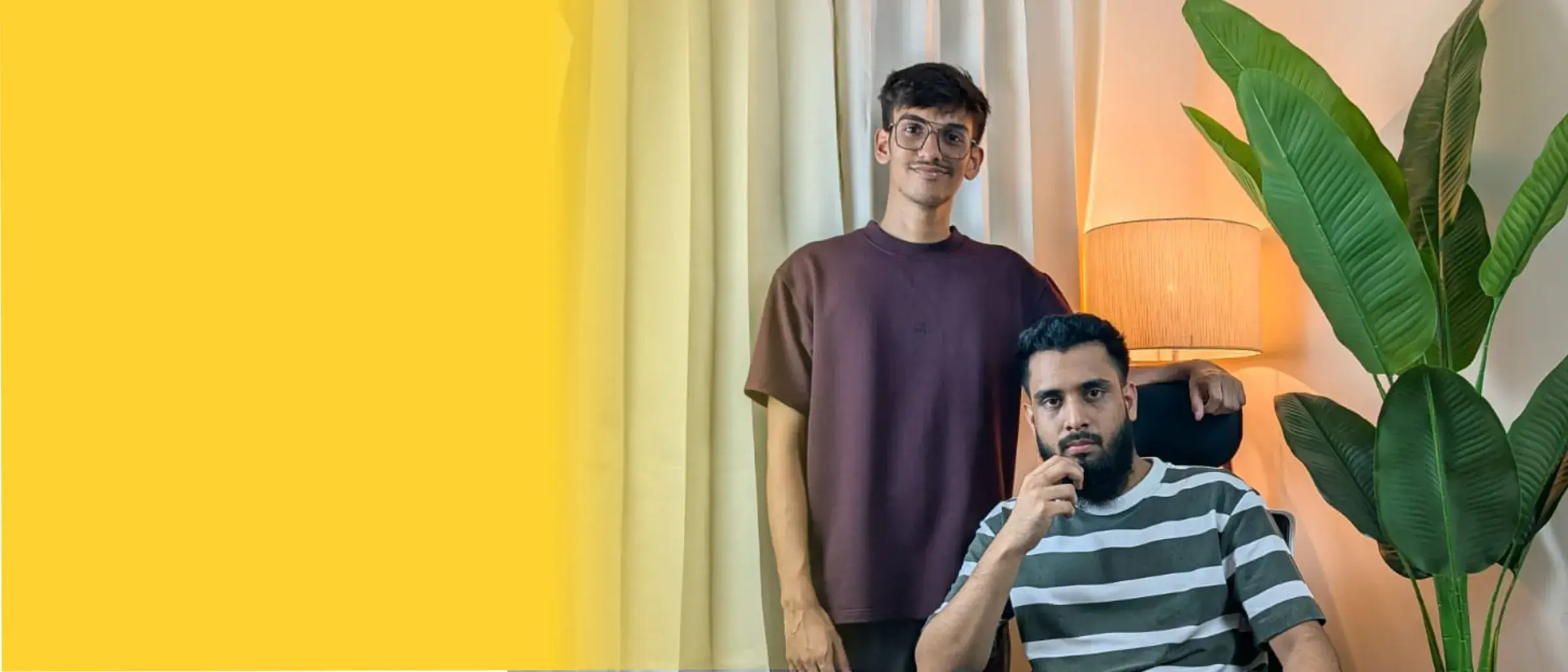
Yes, and many do. The hard part is not the page or the site; it is owning the product, photographing it honestly, publishing real sizes and charges, and handling exchanges. Read our story for how two engineers did it.
Sources
Figures on this page are quoted from the publications below. Estimates differ between research houses, so each number names its estimator.
- ECDB, Fashion e-commerce in Bangladesh
- Statista, Number of users of the fashion e-commerce market in Bangladesh (forecast)
- The Business Standard, Facebook restriction keeps F-commerce entrepreneurs at bay (e-CAB figures, 29 July 2024)
- Userhub Journal, Customer Experiences with E-commerce Returns in Bangladesh (Ferdous and Ahsan, October 2024)
Keep reading
Men's fashion in Bangladesh
Men's fashion in Bangladesh
A practical guide to men's fashion in Bangladesh in 2026: the fits that define streetwear now, fabrics that survive the climate, how to build a small wardrobe that works together, and how to buy men's clothing online with confidence.
Bangladesh e-commerce
Social commerce in Bangladesh
How selling on Facebook, Instagram and TikTok works in Bangladesh, why f-commerce is so large, its limits, and how a brand turns social discovery into website orders without losing the personal touch.

Bangladesh e-commerce
Bangladesh e-commerce statistics 2026
Cited statistics on e-commerce in Bangladesh for 2026: market size, growth, internet and smartphone users, Facebook reach, mobile money, cash on delivery, fashion e-commerce and consumer trust, each with its source.

Bangladesh e-commerce
How to identify a trustworthy online clothing store in Bangladesh
Twelve checks before you order clothes online in Bangladesh: real photos, a visitable address, cash on delivery, a written return policy, live tracking and the warning signs that mean walk away.

Bangladesh e-commerce
Bangladesh e-commerce industry: market, trends, growth and future outlook 2026
A complete guide to e-commerce in Bangladesh in 2026: market size, growth, online shopping trends, fashion e-commerce, social commerce, cash on delivery, payments, logistics, trust, challenges and the outlook to 2030, written by a brand that operates in it.